

WHILE pharmacy customers are instructed about keeping certain medications cool, especially during the summer months, what about sunscreen and cosmetics?
"High temperatures can significantly impact both cosmetics and sunscreens, compromising their effectiveness and usability," warned Dr Laurence Orlando from the Faculty of Pharmacy and Pharmaceutical Sciences at Monash University.
"Chemical sunscreens, which rely on active ingredients like avobenzone and oxybenzone, are particularly heat-sensitive.
"Prolonged exposure to high temperatures - such as inside cars or beach bags - can degrade their UV-filtering abilities, reduce efficacy, and cause physical changes like separation, runniness or a grainy texture," he said, adding that the instability can lead to uneven application and reduced sun protection, necessitating more frequent reapplication, especially during intense heat or sweating.
Cosmetics are also vulnerable to the effects of heat.
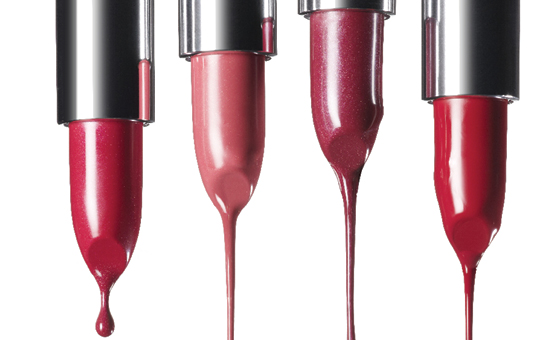
"Creams and lotions may separate, lipsticks and balms can melt, and natural or water-based products may foster bacterial growth," Dr Orlando said.
"Heat can also oxidize essential oils and active ingredients, altering their scent or causing irritation.
Storing sunscreens and cosmetics in cool, shaded areas, and using insulated bags or ice packs when outdoors can help prevent these issues, and it is important to monitor products for changes in texture, smell, or appearance.
Dr Orlando also recommended using mineral sunscreens with ingredients like zinc oxide or titanium dioxide during extreme heat, as they maintain their stability and provide more effective UV protection. KB
The above article was sent to subscribers in Pharmacy Daily's issue from 28 Jan 25
To see the full newsletter, see the embedded issue below or CLICK HERE to download Pharmacy Daily from 28 Jan 25