


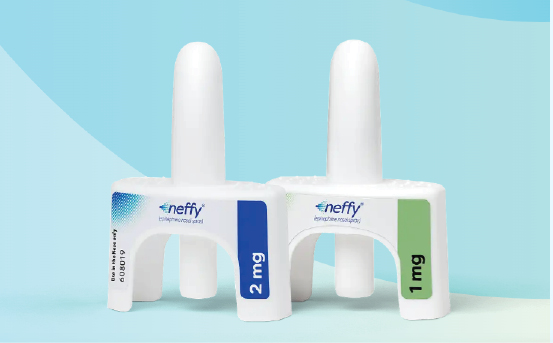
CSL Seqirus has announced the listing of Neffy adrenaline (epinephrine) nasal spray on the Australian Register of Therapeutic Goods (ARTG), approved for the treatment of anaphylaxis in adults and children weighing 15kg or more, and aged four years and over.
The only adrenaline nasal spray approved for use in Australia, its introduction represents the first significant innovation in anaphylaxis treatment in more than 25 years.
Neffy delivers adrenaline via a nasal spray device, as used in opioid reversal medicine, with adrenaline entering the bloodstream through the nasal mucosa.
The Schedule 4 prescription-only medicine is expected to be available from Feb via private prescription.
CSL Seqirus has submitted an application for Pharmaceutical Benefits Scheme (PBS) listing, which will be considered at the Pharmaceutical Benefits Advisory Committee (PBAC) Mar 2026 meeting (PD 24 Nov).
Australia has one of the highest documented rates of anaphylaxis hospital admissions in the developed world, and leading voices in the allergy and anaphylaxis community have welcomed Neffy's approval.
"Allergic diseases impact about 30% of Australians and place significant financial, social and emotional strains on patients, carers and the broader community," said allergist Professor Connie Katelaris.
"Anaphylaxis is the most severe form of allergic reaction and access to more treatment options is welcomed," she said.
Sarah Emery, chief executive officer at Allergy and Anaphylaxis Australia, said that the availability of Neffy could help address unmet patient needs.
"Without prompt treatment anaphylaxis can be fatal," she said.
"Despite this we know that many patients delay or do not administer treatment for a number of reasons, including a lack of confidence in administration, issues with devices, and, in some cases, because they do not carry an adrenaline device," she explained.
"For patients, there is no one-size-fits-all solution when it comes to treatment administration.
"The availability of a differentiated option may help remove barriers to timely self-administered treatment for anaphylaxis, and will be welcome news for healthcare professionals, patients and carers," she said. KB
The above article was sent to subscribers in Pharmacy Daily's issue from 19 Jan 26
To see the full newsletter, see the embedded issue below or CLICK HERE to download Pharmacy Daily from 19 Jan 26