


A free interactive online tool can help people taking prescription opioids for non-cancer pain to better understand their risks, with requests for naloxone more than doubling, according to Monash University research.
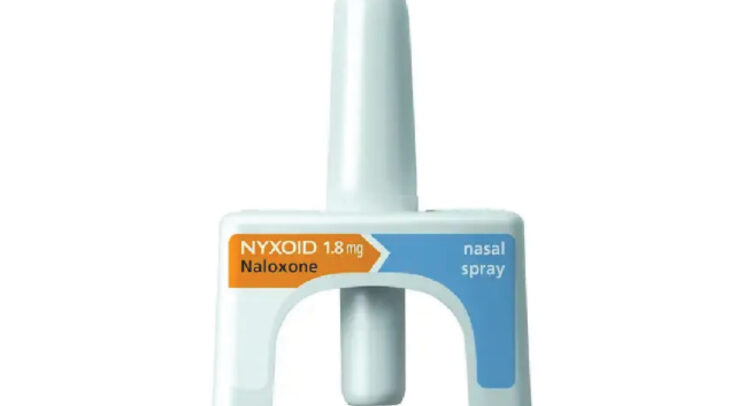
The Opioid Safety Toolkit - a collaboration between Monash University, the Burnet Institute, the Pharmaceutical Society of Australia, Painaustralia and consumers - helps users create a personalised safety plan, provides tailored information about their opioid risks and educates them on naloxone and how to access it.
Over 300 people took part in the study, and were randomised to use either the Opioid Safety Toolkit or an existing government opioid information website (the control group).
The study found that participants who used the toolkit had significantly greater opioid overdose knowledge and awareness of their own risks compared with the control group.
They were also more than twice as likely to request naloxone through the take-home naloxone program, compared with the control group (21.7% versus 9.9%) and nearly three times more likely to report intending to access it (41.4% versus 15.4%).
Lead author and deputy director of Monash Addiction Research Centre, Professor Suzanne Nielsen, said the findings showed that "personalised, interactive education can make a real difference in reducing opioid harm".
"People prescribed opioids are often unaware of their own risks, and we know there are barriers to healthcare professionals starting these conversations," Professor Nielsen explained.
"When people understand their own risks and know what they can do about them, they take action.
"We saw that clearly in this study - people who used the toolkit were far more likely to seek out naloxone and had a much better understanding of overdose risks."
Professor Nielsen said co-designing the toolkit with people with lived experience of being prescribed opioids, alongside pharmacists, prescribers contributed to the toolkit's success.
"That process was critical in ensuring the toolkit actually met the needs of the people it was designed for," she said.
"The result is an evidence-based, low-cost resource that can be scaled nationally to complement existing healthcare initiatives."
While almost three-quarters of pharmacies now stock naloxone, the study found that some participants who requested naloxone were unable to obtain it.
"We are lucky in Australia to have a national government funded naloxone program that makes naloxone free for all Australians," Professor Nielsen said.
"We also need pharmacies to be ready to meet demand and to keep addressing the barriers that prevent pharmacists from stocking and offering naloxone," she concluded.
The Opioid Safety Toolkit is HERE, and the study is HERE. KB
The above article was sent to subscribers in Pharmacy Daily's issue from 15 Apr 26
To see the full newsletter, see the embedded issue below or CLICK HERE to download Pharmacy Daily from 15 Apr 26